
FHV-1 vs FCV Symptom Chart: A Guide for Indian Cats
Key takeaway: Feline Herpesvirus (FHV-1) usually shows as sneezing, runny eyes and nose, squinting, and eye problems like conjunctivitis and corneal ulcers, often flaring up with stress. Feline Calicivirus (FCV) usually shows as mouth ulcers, drooling, gingivitis, and painful stomatitis. Both are common causes of cat flu in India, both need your veterinarian, and each has its own antiviral path. This guide gives you a simple chart and the facts to tell them apart.
If your cat is sneezing, drooling, or has sore eyes or a sore mouth, you are not alone. Many families in India face cat flu every year. The good news is that there is a clear path forward, and it starts with the right diagnosis. Let us walk through it together.
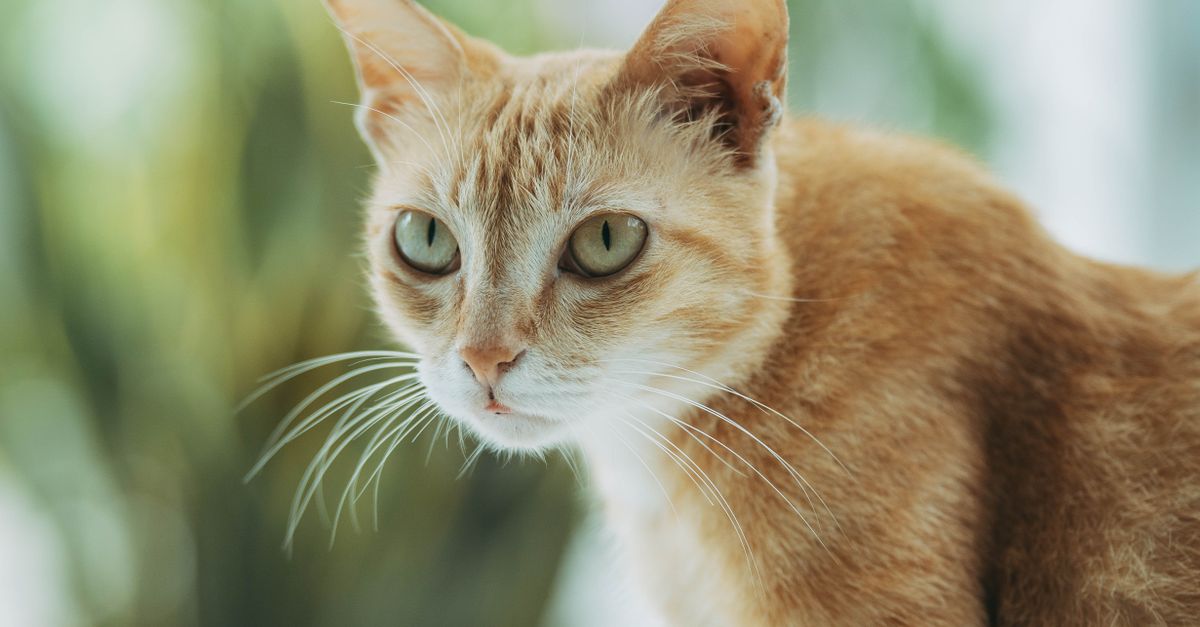
A cat resting comfortably at home.
What is the difference between Feline Herpesvirus (FHV-1) and Feline Calicivirus (FCV)?
Feline Herpesvirus (FHV-1) and Feline Calicivirus (FCV) are two different viruses that cause similar cat flu signs, so they are often confused. FHV-1 tends to attack the eyes and upper airways, while FCV tends to attack the mouth. They need different antiviral products, which is why telling them apart matters.
Feline Herpesvirus (FHV-1) is also called feline viral rhinotracheitis. It is a leading cause of upper respiratory infection and of recurrent eye and respiratory flare-ups. FHV-1 is a lifelong infection, so care focuses on reducing and managing flare-ups rather than removing the virus.
Feline Calicivirus (FCV) is a separate virus. It commonly causes feline chronic gingivostomatitis (FCGS), gingivitis, stomatitis, oral and mouth ulcers, and viral glossitis. The severe systemic form is called virulent systemic FCV (VS-FCV).
For a deeper look at why this distinction changes the whole treatment plan, see our guide on cat flu, herpesvirus vs calicivirus, and why it matters.
Symptom comparison chart: Feline Herpesvirus (FHV-1) vs Feline Calicivirus (FCV)
Here is the quick visual guide. Use it alongside your veterinarian, not instead of a proper diagnosis. Feline Herpesvirus (FHV-1) centres on the eyes and nose, while Feline Calicivirus (FCV) centres on the mouth.
| Sign | Feline Herpesvirus (FHV-1) | Feline Calicivirus (FCV) |
| Main target | Eyes and upper airways | Mouth and gums |
| Sneezing | Very common | Can occur, usually milder |
| Nasal discharge | Common | Possible |
| Eye discharge | Common | Less typical |
| Squinting / conjunctivitis | Common | Uncommon |
| Corneal ulcers | A known sign | Not typical |
| Mouth ulcers | Sometimes | Very common |
| Drooling | Less common | Common |
| Gingivitis / stomatitis | Not typical | Very common (FCGS) |
| Triggered by stress | Often, as flare-ups | Less tied to stress |
| Over the cat's life | Lifelong infection | Can clear, but relapses happen |
If your cat's trouble is mostly in the eyes and nose, think Feline Herpesvirus (FHV-1) first. If the trouble is mostly in the mouth, with drooling and sore gums, think Feline Calicivirus (FCV) first. Your veterinarian can confirm which one it is.
What are the symptoms of Feline Herpesvirus (FHV-1) in cats?
Feline Herpesvirus (FHV-1) typically causes sneezing, nasal and eye discharge, squinting, conjunctivitis, and corneal ulcers, and sometimes mouth ulcers. Flare-ups are often triggered by stress, such as a new home, boarding, travel, or a new pet.
The tricky part of FHV-1 is that it stays in the body for life. Your cat can look completely healthy for months, then have a flare-up during a stressful time. This is normal, and it is manageable.
Common signs to watch for with Feline Herpesvirus (FHV-1):
- Repeated sneezing
- Watery or thick discharge from the nose
- Runny, red, or squinting eyes
- Conjunctivitis (inflamed eye membranes)
- Corneal ulcers (sores on the surface of the eye)
- Sometimes mouth ulcers
Because stress is such a big trigger, calm handling and a steady routine help a lot. Our article on feline herpesvirus stress flare-ups and management covers practical ways to keep your home low-stress for a sensitive cat.
What are the symptoms of Feline Calicivirus (FCV) in cats?
Feline Calicivirus (FCV) most often causes mouth ulcers, drooling, gingivitis, and stomatitis, including the painful long-term form called feline chronic gingivostomatitis (FCGS). Some cats also sneeze or have mild eye signs, but the mouth is where FCV usually hits hardest.
Many Pawrents first notice that their cat has stopped eating, is pawing at the mouth, or has very bad breath. These are classic FCV clues. The pain can be severe, so early help matters.
Common signs to watch for with Feline Calicivirus (FCV):
- Mouth and tongue ulcers
- Heavy drooling
- Red, swollen, bleeding gums (gingivitis)
- Stomatitis and FCGS (long-term mouth inflammation)
- Trouble eating or dropping food
- Bad breath
If your cat's gum and mouth pain keeps coming back, you are not imagining it. Our guides on why mouth pain returns with FCV gingivitis and FCV's role in FCGS in India explain the chronic cycle and how to break it.
How are Feline Herpesvirus (FHV-1) and Feline Calicivirus (FCV) treated?
Feline Herpesvirus (FHV-1) is managed with antiviral support that keeps flare-ups under control, while Feline Calicivirus (FCV) is treated with an antiviral that targets viral replication at its source. Both treatment paths are guided by your veterinarian, and the right one depends on the correct diagnosis.
For Feline Herpesvirus (FHV-1), famciclovir is an antiviral your veterinarian may prescribe. Our famciclovir option is HerpX. Because FHV-1 stays in the body for life, the goal is to reduce and manage flare-ups and get your cat back to normal comfortably, not to remove the virus. Your veterinarian will decide the dosing that suits your cat.
For Feline Calicivirus (FCV), the veterinarian-prescribed antiviral is CaliciX (for mild to moderate FCV) or CaliciX Max (for severe or refractory FCV, such as severe FCGS, caudal stomatitis, or large cats). Both contain the antiviral EIDD-1931 and target the virus at the source rather than only easing symptoms. Your veterinarian sets the dose for your cat's condition and weight.
| Area | Feline Herpesvirus (FHV-1) | Feline Calicivirus (FCV) |
| Antiviral option | HerpX (famciclovir) | CaliciX / CaliciX Max (EIDD-1931) |
| Main goal | Control and manage flare-ups | Target viral replication at the source |
| Over the cat's life | Lifelong, managed long-term | Often clears, but relapses can happen |
| Dosing | Set by your veterinarian | Set by your veterinarian |
To choose between the two FCV strengths, see our comparison of CaliciX vs CaliciX Max and which dose your cat needs.
What results can I expect with Feline Calicivirus (FCV) treatment?
In our own data from about 46 treated cats, CaliciX and CaliciX Max reached an 87% success rate for Feline Calicivirus (FCV), meaning nearly 9 out of 10 cats with FCV treated with CaliciX did well. Most cats in that same internal series recovered within 4 to 8 weeks.
Every cat is different, and these figures are statistics, not promises. In our own data, about 1 in 4 cats (20 to 30%) had a relapse, which is why ongoing care and follow-up with your veterinarian matter so much. There are no guarantees in medicine, and your veterinarian will help you plan for the long run.
What results can I expect with Feline Herpesvirus (FHV-1) treatment?
For Feline Herpesvirus (FHV-1), care focuses on calming flare-ups and getting your cat comfortable again, rather than removing a virus that stays for life. Famciclovir, offered as HerpX, is an antiviral your veterinarian may prescribe to help keep flare-ups under control. Your veterinarian will guide dosing and the overall plan for your cat.
Why does antibiotics alone not solve cat flu?
Feline Herpesvirus (FHV-1) and Feline Calicivirus (FCV) are both viruses, so the antiviral care is what addresses the virus directly. Your veterinarian may still add an antibiotic if there is a secondary bacterial infection on top of the viral illness. The antiviral path is chosen based on which virus your cat has.
This is also why vaccination, while valuable, does not always prevent illness. Cats can still get sick, as we explain in why cats still get sick despite the FCV vaccine and in what CaliciX adds alongside vaccination.
Can supportive supplements help during cat flu recovery?
Supportive nutraceuticals can help as adjunct organ support alongside veterinary-guided antiviral treatment, but they are not antivirals and do not treat Feline Herpesvirus (FHV-1) or Feline Calicivirus (FCV) themselves. Products like LiverRx and KidneyRx are supplements that support the body, used only as an add-on under veterinary guidance.
Think of supportive care as helping your cat stay strong while the antiviral does its job. Always keep your veterinarian in the loop before adding any supplement.
FAQ
How can I tell Feline Herpesvirus (FHV-1) from Feline Calicivirus (FCV) at home?
Feline Herpesvirus (FHV-1) usually shows eye and nose signs like sneezing, discharge, squinting, and conjunctivitis, while Feline Calicivirus (FCV) usually shows mouth signs like ulcers, drooling, and sore gums. The chart in this guide helps you narrow it down, but only your veterinarian can confirm which virus your cat has.
Is Feline Herpesvirus (FHV-1) in cats curable?
Feline Herpesvirus (FHV-1) is a lifelong infection, so it stays in the body and care focuses on reducing and managing flare-ups rather than removing the virus. With veterinary-guided antiviral support such as famciclovir (HerpX), many cats get back to normal quickly after a flare-up.
Which product treats Feline Calicivirus (FCV)?
Feline Calicivirus (FCV) is treated with CaliciX for mild to moderate cases and CaliciX Max for severe or refractory cases, both prescribed by your veterinarian. They contain the antiviral EIDD-1931 and target viral replication at its source. Your veterinarian will choose the right strength and dose for your cat.
Can a cat have both Feline Herpesvirus (FHV-1) and Feline Calicivirus (FCV)?
Yes, cats can be infected with both Feline Herpesvirus (FHV-1) and Feline Calicivirus (FCV), which can make the signs overlap and look confusing. Your veterinarian can run tests and build a treatment plan that addresses each virus with the correct antiviral.
Do supplements like LiverRx or KidneyRx treat cat flu?
No, LiverRx and KidneyRx are nutraceutical supplements, not antivirals, so they do not treat Feline Herpesvirus (FHV-1) or Feline Calicivirus (FCV). They can be used only as adjunct organ support alongside the antiviral treatment your veterinarian recommends.
Your cat's recovery journey starts with knowing which virus you are facing, and you do not have to figure it out alone. To understand your options and find the right antiviral path, explore the treatment options with the BasmiFIP India team and talk them through with your own veterinarian. There is a clear path forward, and we are here to walk it with you.