
Feline Calicivirus Vaccine in India: Why Cats Still Get Sick
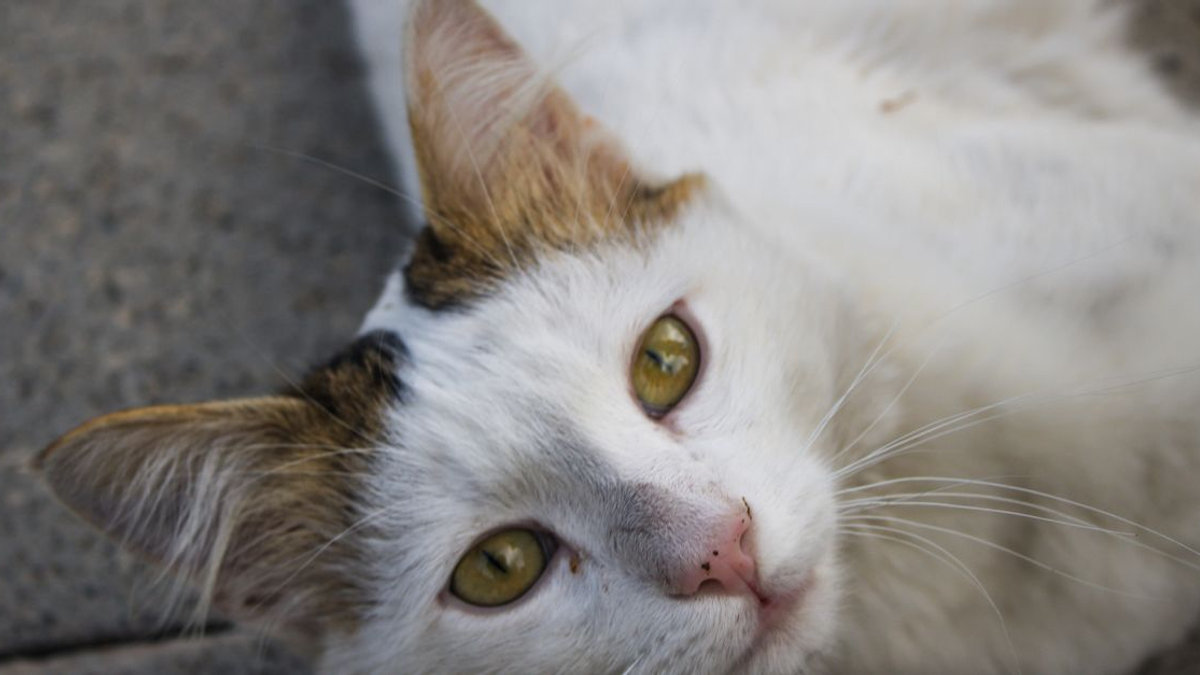
The feline calicivirus vaccine helps reduce how severe an infection becomes, but it does not stop your cat from catching Feline Calicivirus (FCV) or from carrying and spreading it. Many vaccinated cats still develop mouth ulcers, gingivitis, and oral pain because the vaccine cannot match every circulating strain. That is why a vaccinated cat with active signs still needs antiviral treatment that targets the virus itself, guided by your veterinarian.
If you are a Pawrent in India whose vaccinated cat is drooling, off its food, or showing sore gums, you are not alone, and there is a clear path forward. Let us walk through what the calici vaccine does well, where it falls short, and why antiviral care still matters.
A cat resting comfortably at home.
What Does the Feline Calicivirus Vaccine Actually Cover?
The feline calicivirus vaccine is designed to lower the severity of Feline Calicivirus (FCV) illness, not to make your cat immune to every strain. It trains the immune system to respond faster, so a vaccinated cat that does get infected often has milder signs than an unvaccinated one.
FCV is included in the core combination vaccine most Indian clinics give kittens and adult cats. It usually sits alongside feline herpesvirus and panleukopenia protection in the same shot.
So the vaccine earns its place. A well vaccinated cat is generally better protected against serious, life threatening disease. The problem is the gap between "milder illness" and "no illness at all."
Why Do Vaccinated Cats Still Get Feline Calicivirus?
Vaccinated cats still get Feline Calicivirus (FCV) because the virus mutates quickly and exists as many different strains, and no single vaccine can match all of them. The vaccine reduces severity, but it does not create a wall that blocks infection.
Here are the main reasons a vaccinated cat can still fall ill:
- Strain variability. FCV changes often, so the strain your cat meets may differ from the one the vaccine was built around.
- Reduced severity, not prevention. The vaccine aims to soften signs, not to guarantee your cat never catches the virus.
- Carrier cats. Some cats carry and shed FCV for long periods, quietly exposing housemates.
- Stress and crowding. Shelters, boarding, multi cat homes, and rescues raise exposure and can trigger flare-ups.
This is the honest picture many Pawrents are never told. A vaccine on the record does not always mean a pain free mouth. If your cat keeps developing sore gums, our guide on why calicivirus gingivitis keeps coming back explains the pattern in plain terms.
What Does Feline Calicivirus Look Like in Cats?
Feline Calicivirus (FCV) most often shows up as painful mouth problems: oral and mouth ulcers, gingivitis, stomatitis, and viral glossitis. Many cats drool, paw at the mouth, stop eating, or eat and then cry out.
FCV is a common cause of feline chronic gingivostomatitis (FCGS), a stubborn, painful inflammation of the gums and mouth. In some cats the illness becomes long term and keeps returning after it seems to settle.
There is also a rare, serious systemic form called virulent systemic FCV (VS-FCV), which can affect the whole body. Most cats you will meet have the oral form, but it still deserves real treatment.
It is easy to confuse FCV with feline herpesvirus, since both are blamed for "cat flu." They are different viruses and need different products, which we break down in herpesvirus vs calicivirus and why it matters.
Why Do Vaccinated Cats Still Need Antiviral Treatment?
A vaccinated cat with active signs still needs antiviral treatment because the vaccine cannot clear a virus that is already replicating in the mouth and body. Once Feline Calicivirus (FCV) is causing ulcers and inflammation, the goal shifts from prevention to targeting the virus at its source.
This is the key point so many caregivers miss. Vaccination and treatment are two different jobs. One tries to reduce the risk and severity before illness. The other steps in once your cat is actually sick.
Antiviral therapy for FCV goes after viral replication directly, rather than only soothing symptoms. That matters for a cat whose mouth pain keeps returning month after month.
How Is Feline Calicivirus Treated Beyond the Vaccine?
Beyond the feline calicivirus vaccine, Feline Calicivirus (FCV) is treated with a veterinarian prescribed antiviral, supported by pain relief, good nutrition, and dental care when needed. CaliciX and CaliciX Max are the antiviral options in the BasmiFIP range, both built around the ingredient EIDD-1931, and they work by targeting viral replication at the source rather than just managing symptoms.
Antibiotics have a limited, supporting role here. A veterinarian may add an antibiotic only for a secondary bacterial infection, not to treat the virus itself.
In our own data from about 46 treated cats, CaliciX and CaliciX Max reached an 87% success rate, which is nearly 9 out of 10 cats with FCV showing real improvement. Those are encouraging numbers for a condition that can feel hopeless, though every cat is different and results are never promised.
CaliciX vs CaliciX Max: Which Is Which?
Both CaliciX and CaliciX Max are antiviral capsules for Feline Calicivirus (FCV) that contain EIDD-1931, and the right choice depends on how severe your cat's illness is. Your veterinarian decides which one fits, and we keep the dosing in their hands.
| Option | Best for | How it works |
| CaliciX | Mild to moderate FCV: juvenile gingivitis, mild oral ulcers, gingivitis, moderate stomatitis, mouth ulcers | Targets viral replication at the source |
| CaliciX Max | Severe or refractory FCV: severe FCGS, caudal stomatitis, stomatitis unresponsive to extractions, viral glossitis, virulent systemic FCV, large cats or high viral load | Targets viral replication at the source for tougher cases |
If your cat is large, has a heavy viral load, or has not responded to standard care, CaliciX Max is often the better match. Our side by side guide on choosing between CaliciX and CaliciX Max goes deeper into picking the right fit with your veterinarian.
Important safety note: every EIDD-1931 product, including CaliciX and CaliciX Max, is not for pregnant, nursing, or breeding cats. Always confirm your cat's dose and schedule with your veterinarian rather than guessing.
How Long Does Recovery From Feline Calicivirus Take?
Most cats treated for Feline Calicivirus (FCV) with CaliciX or CaliciX Max improve over a period of 4 to 8 weeks, based on our own data from about 46 treated cats. Some cats respond faster, and stubborn FCGS cases can take longer, which is normal.
Recovery is a journey, not a switch you flip. You will usually see small wins first: more interest in food, less drooling, calmer behaviour at the bowl.
Keep your veterinarian in the loop throughout. Steady, correct treatment matched to your cat's weight and condition gives the best chance of lasting comfort.
Can Feline Calicivirus Come Back After Treatment?
Yes, Feline Calicivirus (FCV) can return, and in our own data from about 46 treated cats, roughly 20 to 30% had a relapse, which is about 1 in 4 cats. This is why follow up and good home care matter so much, especially for cats prone to chronic mouth disease.
Relapse does not mean treatment failed. It reflects how persistent this virus can be, particularly in cats with FCGS whose mouths were badly inflamed to begin with.
If your cat's oral ulcers keep coming back, you are seeing a known pattern, not bad luck. Our article on why FCV oral ulcers return explains how to spot early signs and act quickly with your veterinarian.
How Can You Reduce Flare-Ups at Home?
You can lower Feline Calicivirus (FCV) flare-ups by reducing stress, keeping the mouth and environment clean, and staying on top of veterinary dental care. These steps support antiviral treatment rather than replace it.
- Keep stress low. Steady routines, quiet spaces, and gentle introductions help, since stress and crowding can trigger flare-ups.
- Support eating. Offer soft, warm, strong smelling food when the mouth is sore so your cat keeps its strength up.
- Stay current with dental care. Work with your veterinarian on cleanings or extractions when FCGS calls for them.
- Isolate new or sick cats. In multi cat homes, separate a sneezing or drooling cat to limit spread.
- Follow the full treatment plan. Finish the course your veterinarian sets rather than stopping at the first sign of relief.
For homes where gum disease is the main battle, our overview of FCV's role in feline chronic gingivostomatitis is a helpful next read.
Does the Vaccine Still Matter if Cats Get Sick Anyway?
Yes, the feline calicivirus vaccine still matters, because reducing the severity of Feline Calicivirus (FCV) is worth a great deal even when it cannot prevent every infection. A vaccinated cat often faces a milder course than an unvaccinated one.
Think of it as layered care. The vaccine lowers risk and severity. Antiviral treatment steps in when illness appears. Home care and your veterinarian hold it all together.
None of these layers works alone, and none offers a guarantee. Together, they give your cat the best shot at a comfortable, playful life.
FAQ: Feline Calicivirus Vaccine and Treatment
Does the feline calicivirus vaccine prevent Feline Calicivirus (FCV) completely?
No, the feline calicivirus vaccine does not fully prevent Feline Calicivirus (FCV); it is designed to reduce the severity of illness. Because the virus has many strains and mutates quickly, vaccinated cats can still become infected and show mouth ulcers or gingivitis.
My cat is vaccinated but has mouth ulcers. What should I do for Feline Calicivirus (FCV)?
See your veterinarian, because a vaccinated cat with active Feline Calicivirus (FCV) signs still needs antiviral treatment that targets the virus at its source. CaliciX and CaliciX Max are veterinarian prescribed antiviral options for FCV, chosen based on how severe your cat's illness is.
How effective is antiviral treatment for Feline Calicivirus (FCV)?
In our own data from about 46 treated cats, CaliciX and CaliciX Max reached an 87% success rate for Feline Calicivirus (FCV), which is nearly 9 out of 10 cats improving. Every cat is different, so results are encouraging but never promised.
Can Feline Calicivirus (FCV) come back after my cat recovers?
Yes, in our own data from about 46 treated cats, roughly 20 to 30% had a relapse, which is about 1 in 4 cats. Staying on your veterinarian's plan and managing stress and dental health helps reduce the chance of flare-ups.
Is Feline Calicivirus (FCV) the same as feline herpesvirus?
No, Feline Calicivirus (FCV) and feline herpesvirus are different viruses, even though both are grouped under "cat flu." They need different products, with FCV treated using CaliciX or CaliciX Max and herpesvirus managed with HerpX, each prescribed by your veterinarian.
If your vaccinated cat is still struggling with sore gums or mouth ulcers, please know there is a clear path forward and a community that has walked it before you. You can explore the FCV treatment options available in India and then talk them through with our team or your own veterinarian. Together you can build a plan that puts your cat's comfort first.