
Feline Calicivirus Vaccine in India: What CaliciX Adds
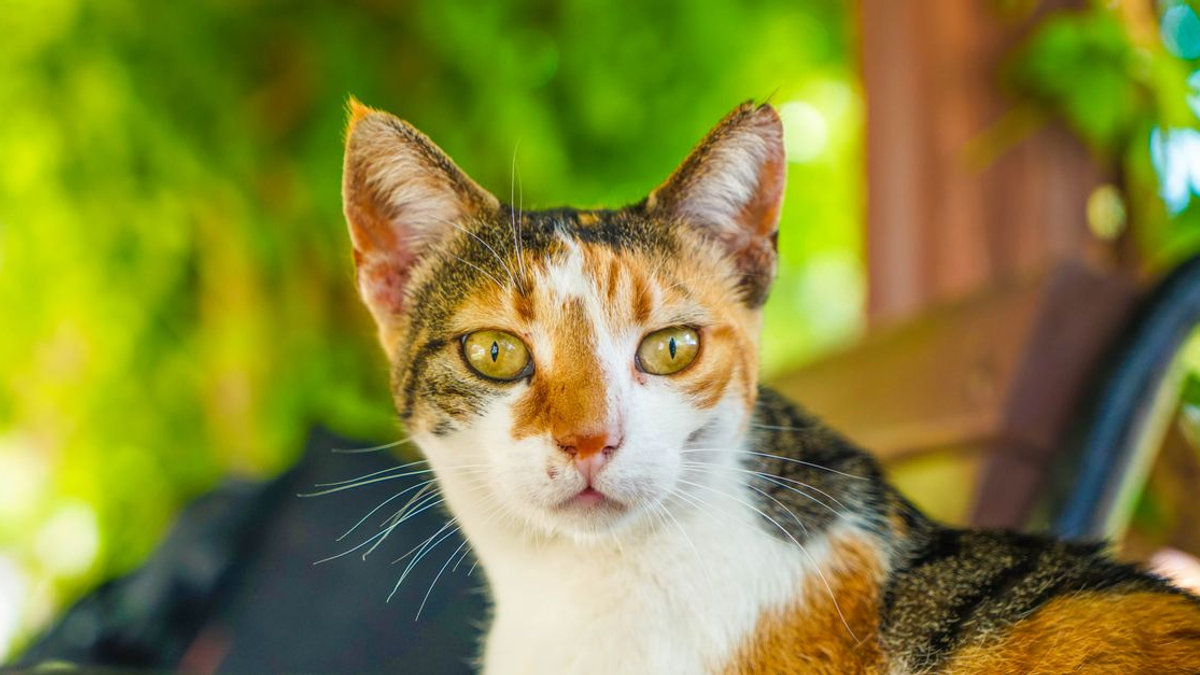
Key takeaway: The feline calicivirus vaccine is a core vaccine that greatly reduces how severe Feline Calicivirus (FCV) becomes, but it does not fully prevent infection or protect against every strain. If your cat is unvaccinated, only partly vaccinated, or has a breakthrough infection with mouth ulcers or gingivostomatitis, a veterinarian-prescribed antiviral like CaliciX targets the virus itself. Vaccination and treatment are partners, not rivals.
If you are a Pawrent in India searching for the feline calicivirus vaccine, you are already doing the most caring thing possible: planning ahead. Let us walk through what the vaccine does, what it cannot do, and where CaliciX fits in your cat's recovery journey.
A cat resting comfortably at home.
What does the Feline Calicivirus (FCV) vaccine protect against?
The Feline Calicivirus (FCV) vaccine is designed to reduce the severity of illness if your cat is exposed to the virus. It is part of the core combination vaccine most Indian veterinarians give, often written as FVRCP, which bundles protection against feline viral rhinotracheitis (feline herpesvirus), calicivirus, and panleukopenia in one shot.
Feline Calicivirus (FCV) is a virus that commonly causes mouth and gum problems. These include gingivitis, stomatitis, oral and mouth ulcers, viral glossitis, and the long-term condition feline chronic gingivostomatitis (FCGS). A severe systemic form, called virulent systemic FCV (VS-FCV), can also occur.
The calici vaccine helps your cat's immune system recognise the virus early. A well-vaccinated cat that still catches FCV often has a milder, shorter illness than an unvaccinated cat. That is a real and valuable benefit, and it is why vaccination remains a cornerstone of feline health.
What does the Feline Calicivirus (FCV) vaccine NOT protect against?
The Feline Calicivirus (FCV) vaccine does not guarantee that your cat will never become infected, and it does not cover every strain of the virus. FCV mutates and circulates in many forms, so a vaccinated cat can still pick up a strain the vaccine does not closely match.
Here is what the calicivirus vaccine cannot do:
- It cannot promise zero infection. It lowers severity; it does not build a perfect wall.
- It cannot cover every circulating FCV strain. Breakthrough infections happen.
- It cannot treat a cat that is already sick. A vaccine is prevention, not therapy.
- It cannot repair existing mouth ulcers or stop an active flare of gingivostomatitis.
This is the awareness gap many Pawrents meet the hard way. Their cat is vaccinated, yet the mouth pain, drooling, or ulcers still appear. If that is you, please know you are not alone, and there is a clear path forward.
Why do vaccinated cats still get Feline Calicivirus (FCV)?
Vaccinated cats can still develop Feline Calicivirus (FCV) because the vaccine reduces severity rather than fully blocking the virus, and because a new strain may differ from the one the vaccine targets. Timing and life stage also matter.
Common reasons a vaccinated cat still gets sick:
- Incomplete vaccination. Kittens need their full series, and adults need boosters on schedule. A single early shot is not complete protection.
- Strain mismatch. FCV has many variants. The vaccine may not match the exact strain your cat meets in a shelter, cattery, or multi-cat home.
- High exposure. Crowded or stressful environments raise the viral load a cat faces.
- Individual response. Each cat's immune system is different, and some simply mount a weaker response.
When a breakthrough infection shows up as stubborn mouth pain, the cause is often FCV driving gingivitis and FCGS. Understanding why oral ulcers keep returning helps you and your veterinarian act sooner.
When is CaliciX still needed for Feline Calicivirus (FCV)?
CaliciX is still needed when a cat has active Feline Calicivirus (FCV) disease that the vaccine did not prevent, such as mouth ulcers, gingivitis, stomatitis, or chronic gingivostomatitis (FCGS). CaliciX is a veterinarian-prescribed antiviral that targets viral replication at the source rather than only easing symptoms.
Consider CaliciX when:
- Your cat is unvaccinated or only partly vaccinated and now shows oral signs.
- A vaccinated cat has a breakthrough infection with ulcers or gum pain.
- Symptoms keep returning despite dental care, as often happens in chronic FCGS and recurring mouth pain.
- Your veterinarian confirms FCV and wants antiviral therapy, not just symptom control.
CaliciX contains EIDD-1931 and is used for mild to moderate FCV, including juvenile gingivitis, mild oral ulcers, gingivitis, and moderate stomatitis. For severe or refractory cases, there is a higher-strength option called CaliciX Max.
Antibiotics have a role too, but a limited one. A veterinarian may add an antibiotic to clear a secondary bacterial infection, while the antiviral does the work of targeting the virus itself.
CaliciX vs CaliciX Max: which does your cat need for Feline Calicivirus (FCV)?
For Feline Calicivirus (FCV), CaliciX is the standard-strength antiviral for mild to moderate disease, and CaliciX Max is the higher-strength option for severe or refractory cases. Both contain EIDD-1931, and your veterinarian chooses between them based on how severe your cat's FCV is and how your cat responds.
| Option | Best for | Strength per capsule |
| CaliciX | Mild to moderate FCV: juvenile gingivitis, mild oral ulcers, gingivitis, moderate stomatitis, mouth ulcers | 15 mg |
| CaliciX Max | Severe or refractory FCV: severe FCGS, caudal stomatitis, ulcerative stomatitis unresponsive to extractions, viral glossitis, virulent systemic FCV, large cats 5 kg (11 lb) and above, or high viral load | 30 mg |
The right dosing depends on your cat's weight and condition, so dosing decisions belong with your veterinarian. If you want to understand the difference in more detail before your appointment, this guide on CaliciX vs CaliciX Max breaks it down.
One important safety note: every EIDD-1931 product, including CaliciX and CaliciX Max, is not for pregnant, nursing, or breeding cats. Always share your cat's full history with your veterinarian.
How well does CaliciX work for Feline Calicivirus (FCV)?
CaliciX works by targeting Feline Calicivirus (FCV) replication at its source, and in our own data from about 46 treated cats, around 87% improved, meaning nearly 9 out of 10 cats with FCV treated with CaliciX got better. These are results we have observed, not a promise, because every cat is different and there are no guarantees in medicine.
Here is what many families see:
- Recovery timeframe. In our own data from about 46 treated cats, most recovered within 4 to 8 weeks.
- Relapse. In the same internal data, some cats, about 1 in 4, had a relapse, which is why follow-up with your veterinarian matters.
These figures are our own observations, shared plainly so you know what to expect. Treatment is a journey, and the goal is simple: your cat eating comfortably, grooming again, and enjoying life without mouth pain.
If your cat's mouth trouble has already moved from an acute flare toward chronic FCGS, do not lose hope. A clear diagnosis plus the right antiviral is exactly how many cats turn the corner.
What about the feline herpesvirus vaccine, and is it the same as calicivirus?
No, the feline herpesvirus vaccine and the Feline Calicivirus (FCV) vaccine protect against two different viruses, even though they are usually combined in the same FVRCP shot. Feline herpesvirus (FHV-1) and Feline Calicivirus (FCV) cause overlapping signs but need different care.
Feline herpesvirus (FHV-1), also called cat flu or feline viral rhinotracheitis, is a lifelong infection that tends to flare under stress, often with sneezing, eye discharge, conjunctivitis, and sometimes mouth ulcers. Care focuses on reducing and managing flare-ups and getting your cat back to normal, because the virus stays in the body for life. If you are unsure which virus your cat has, this comparison of herpesvirus versus calicivirus in cat flu is a helpful starting point.
For FHV-1, a veterinarian may prescribe HerpX, which contains famciclovir, as the antiviral option. For FCV, the antiviral is CaliciX or CaliciX Max. The viruses are different, so the products are different, and your veterinarian will match the treatment to the correct virus.
Can supportive supplements help during Feline Calicivirus (FCV) treatment?
Supportive nutraceuticals can sit alongside veterinary-guided antiviral treatment for Feline Calicivirus (FCV) as adjunct organ support, but they are not antivirals and do not treat the virus. They support the body while CaliciX does the antiviral work.
From the RX Sciences range, LiverRx and KidneyRx are nutraceutical supplements that provide organ support. They are helpers, never a replacement for antiviral therapy or for your veterinarian's plan. Always confirm with your veterinarian whether any supplement suits your individual cat.
FAQ: Feline Calicivirus (FCV) vaccine and CaliciX
Does the feline calicivirus vaccine mean my cat can never get FCV?
No. The Feline Calicivirus (FCV) vaccine reduces how severe the illness becomes, but it does not block every strain or guarantee zero infection. A vaccinated cat can still have a breakthrough infection, which is when a veterinarian-prescribed antiviral like CaliciX may be needed.
Is the calicivirus vaccine the same as the feline herpesvirus vaccine?
They are different protections usually combined in one FVRCP shot. The Feline Calicivirus (FCV) vaccine targets calicivirus, while the feline herpesvirus vaccine targets feline herpesvirus (FHV-1), and the two viruses need different antiviral products, CaliciX for FCV and HerpX for FHV-1.
My vaccinated cat still has mouth ulcers. What should I do?
See your veterinarian to confirm Feline Calicivirus (FCV) and discuss antiviral treatment. CaliciX targets the virus at its source, and in our own data from about 46 treated cats, most recovered within 4 to 8 weeks, though every cat is different.
How is CaliciX dosed for Feline Calicivirus (FCV)?
Dosing depends on your cat's weight and the severity of the Feline Calicivirus (FCV) infection, so it is decided with your veterinarian. CaliciX is the standard-strength option and CaliciX Max is the higher-strength option for severe or refractory cases.
Can I give CaliciX to a pregnant cat with Feline Calicivirus (FCV)?
No. CaliciX and CaliciX Max contain EIDD-1931 and are not for pregnant, nursing, or breeding cats. Tell your veterinarian if your cat is or may be pregnant so they can plan safe care.
Your cat's recovery journey can start today with the right information and the right partner. To learn more about treatment options for Feline Calicivirus (FCV) and to talk through the best plan for your cat, reach out to the BasmiFIP India team and your own veterinarian. There are no guarantees in medicine, but with a clear diagnosis and veterinary-guided care, many families watch their cats eat, play, and feel like themselves again.