
Cat Flu Treatment in India: FCV vs FHV-1 Explained
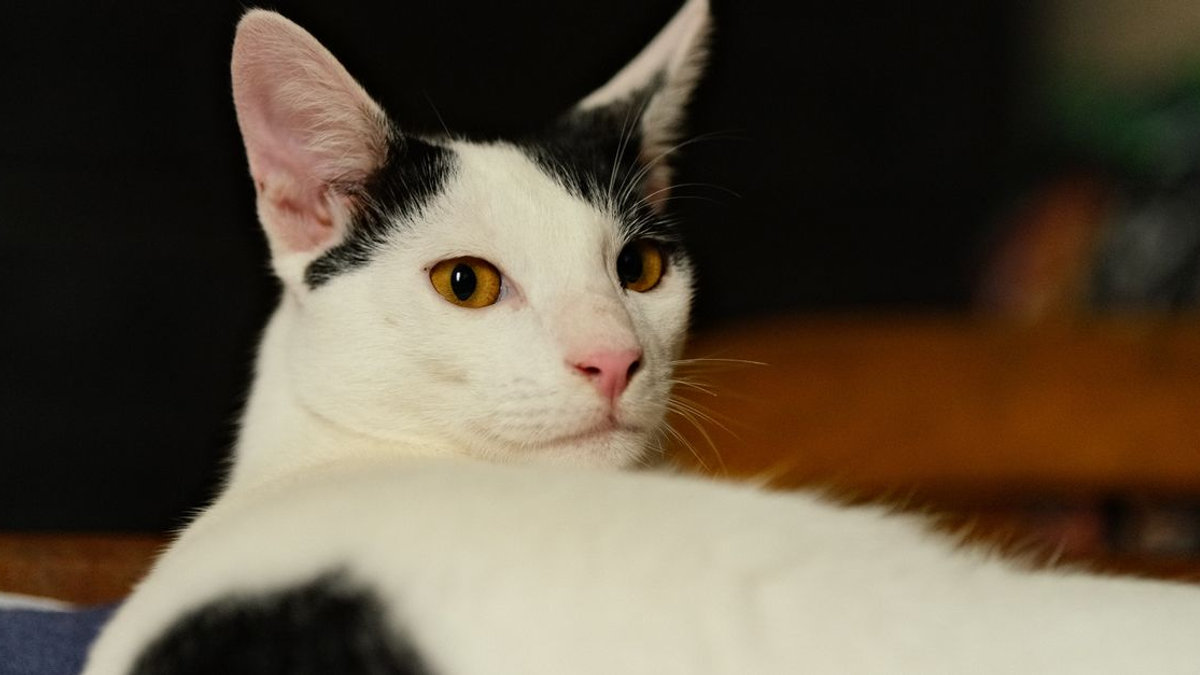
Key takeaway: Cat flu in India is usually caused by one of two viruses, Feline Calicivirus (FCV) or Feline Herpesvirus (FHV-1), and the right treatment depends on which one your cat has. Feline Calicivirus often brings mouth ulcers and gingivitis and is treated with the antiviral CaliciX or CaliciX Max. Feline Herpesvirus stays in the body for life, causes sneezing and eye flare-ups, and is managed with the antiviral HerpX. A clear diagnosis from your veterinarian is what points you to the correct path.
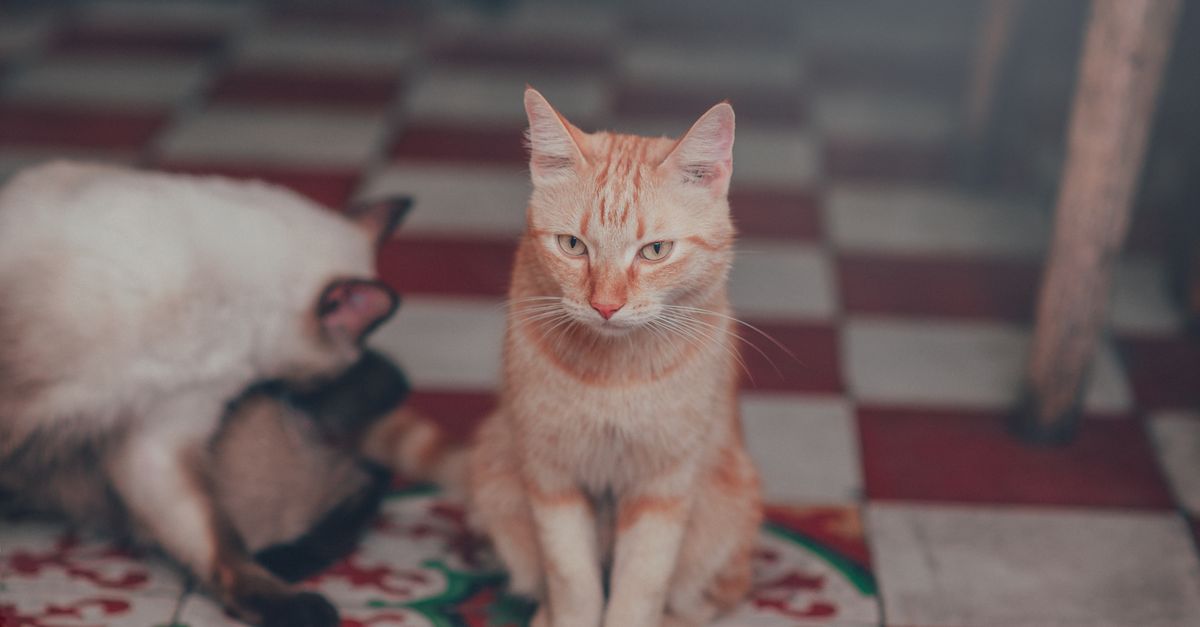
A cat resting comfortably at home.
What is cat flu, and what causes it?
Cat flu is a common upper respiratory illness in cats, and in India it is most often caused by Feline Calicivirus (FCV) or Feline Herpesvirus (FHV-1). Both are viruses, and both can leave a cat sneezing, teary, off their food, and simply not themselves.
The good news is that you are not the first Pawrent to face this. With the right diagnosis and the right antiviral care, most cats get back to eating, playing, and curling up in your lap.
The tricky part is that these two viruses look similar from the outside but need different treatments. That is why knowing which virus you are dealing with changes everything.
Feline Calicivirus (FCV) vs Feline Herpesvirus (FHV-1): how are they different?
Feline Calicivirus (FCV) tends to attack the mouth, causing ulcers, gingivitis, and stomatitis, while Feline Herpesvirus (FHV-1) tends to attack the eyes and nose, causing sneezing, discharge, squinting, and conjunctivitis. They are two separate viruses, and they are treated with two separate antiviral medicines.
Feline Calicivirus (FCV) commonly causes feline chronic gingivostomatitis (FCGS), gingivitis, mouth ulcers, and viral glossitis. Its severe systemic form is called virulent systemic FCV (VS-FCV). The pain in the mouth is often the first thing Pawrents notice, because the cat stops eating or drools.
Feline Herpesvirus (FHV-1), also called feline viral rhinotracheitis, is a leading cause of upper respiratory infection and of recurring eye and respiratory flare-ups. It is a lifelong infection that often flares when a cat is stressed.
If you want a side by side look at the clues, our FHV-1 vs FCV symptom chart for Indian cats walks through the differences in plain language.
A quick comparison
| Feature | Feline Calicivirus (FCV) | Feline Herpesvirus (FHV-1) |
| Main target | Mouth: ulcers, gingivitis, stomatitis | Eyes and nose: sneezing, discharge, squinting |
| Common conditions | FCGS, oral ulcers, viral glossitis, VS-FCV | Conjunctivitis, corneal ulcers, cat flu flare-ups |
| Course | Can be acute or long-lasting | Lifelong infection, managed in flare-ups |
| Antiviral option | CaliciX / CaliciX Max | HerpX (famciclovir) |
What are the signs of Feline Calicivirus (FCV)?
Feline Calicivirus (FCV) most often shows up as mouth pain: ulcers on the tongue or gums, red and swollen gums, drooling, and a cat that suddenly refuses food. Some cats also sneeze or have mild eye and nasal signs.
In long-lasting cases, FCV is closely tied to feline chronic gingivostomatitis (FCGS), where the mouth becomes severely inflamed and painful. You can read more about why this happens in our guide to Feline Calicivirus gingivitis and why mouth pain returns.
Because the mouth pain can come and go, many families feel they are back at square one each time it flares. Understanding the virus behind it helps you treat the cause, not just the symptom.
What are the signs of Feline Herpesvirus (FHV-1)?
Feline Herpesvirus (FHV-1) usually shows up as sneezing, runny nose, watery eyes, squinting, and conjunctivitis, and sometimes corneal ulcers or mouth ulcers. Flare-ups are often triggered by stress, such as a new home, boarding, or another illness.
FHV-1 is a lifelong infection, so care focuses on calming flare-ups and getting your cat comfortable again quickly, not on removing the virus from the body. That is a normal and manageable reality for many cats.
With good care, a cat with FHV-1 can live a full, happy life with flare-ups kept under control. The goal is fewer, milder episodes and a fast return to normal.
Why does the right diagnosis change everything?
The right diagnosis matters because Feline Calicivirus (FCV) and Feline Herpesvirus (FHV-1) are different viruses that respond to different antivirals. Treating a cat for the wrong virus means the real cause goes untreated, and your cat keeps suffering.
Antiviral therapy works best when it targets the actual virus at its source. For FCV, CaliciX targets viral replication rather than only masking symptoms. For FHV-1, HerpX supports your cat through flare-ups.
Your veterinarian can tell the two apart from the pattern of signs and, when needed, testing. Our overview of cat flu, herpesvirus vs calicivirus, and why it matters is a helpful starting point before your appointment.
How is Feline Calicivirus (FCV) treated?
Feline Calicivirus (FCV) is treated with the veterinarian-prescribed antiviral CaliciX or, for severe cases, CaliciX Max, which target the virus at its source rather than only managing the symptoms. Your veterinarian decides which one suits your cat and sets the dosing.
CaliciX is used for mild to moderate FCV, such as juvenile gingivitis, mild oral ulcers, gingivitis, and moderate stomatitis. CaliciX Max is the stronger option for severe or refractory FCV, such as severe FCGS, caudal stomatitis, ulcerative stomatitis that has not responded to extractions, viral glossitis, virulent systemic FCV, or larger cats and higher viral loads.
If you are weighing the two options, our comparison of CaliciX vs CaliciX Max and which FCV dose your cat needs explains how your veterinarian chooses between them.
What results can I expect with CaliciX?
In our own data from about 46 treated cats, around 87% of cats with FCV treated with CaliciX did well, which is nearly 9 out of 10. In that same internal series, most cats recovered within 4 to 8 weeks.
Every cat is different, and these are statistics from our own observations, not a promise for any single cat. Some cats, about 1 in 4 in our internal data, have a relapse, which is why finishing the full course your veterinarian sets and treating at the correct strength matters so much.
One important safety note: CaliciX and CaliciX Max are not for pregnant, nursing, or breeding cats. Always let your veterinarian guide the choice and the dose.
| FCV option | Best for | Our internal observations |
| CaliciX | Mild to moderate FCV, gingivitis, mild oral ulcers | In our own data from about 46 treated cats, around 87% did well; most recovered in 4 to 8 weeks |
| CaliciX Max | Severe or refractory FCV, severe FCGS, VS-FCV, larger cats | Same approach for tougher cases, set by your vet |
How is Feline Herpesvirus (FHV-1) treated?
Feline Herpesvirus (FHV-1) is managed with the antiviral HerpX, which contains famciclovir and is prescribed together with your veterinarian. Because FHV-1 is a lifelong infection, the aim of care is to calm flare-ups and get your cat back to normal quickly, not to clear the virus from the body.
HerpX is the famciclovir option a veterinarian may choose for FHV-1 flare-ups. Your veterinarian sets the plan that fits your cat, so dosing decisions are made in the clinic, not at home.
Supportive steps at home help too. Reducing stress, keeping the eyes and nose gently clean, and keeping your cat eating all help a flare settle faster alongside antiviral care.
Can I treat cat flu at home?
You can do a great deal at home to support a cat with cat flu, but the antiviral medicine and dosing should come from your veterinarian. Home care keeps your cat comfortable while the prescribed antiviral does the deeper work against the virus.
Helpful home steps for both Feline Calicivirus (FCV) and Feline Herpesvirus (FHV-1) include:
- Keep your cat eating, offering warm, soft, strong-smelling food if the mouth or nose is sore.
- Gently wipe away eye and nasal discharge with a clean, damp cloth.
- Lower stress with a quiet, warm space and a steady routine.
- Make sure fresh water is always within reach.
- Follow the full antiviral course your veterinarian prescribes, right to the end.
If a secondary bacterial infection appears on top of the virus, your veterinarian may add an antibiotic for that part. The antiviral still does the work against the virus itself.
Can supplements help my cat recover?
Supportive nutraceuticals can help organ health during recovery, but they are not antivirals and do not treat Feline Calicivirus (FCV) or Feline Herpesvirus (FHV-1) themselves. Think of them as adjunct support alongside veterinarian-guided antiviral treatment.
For example, LiverRx and KidneyRx are nutraceutical supplements that support the liver and kidneys. They work best as gentle, adjunct organ support, never as a replacement for the antiviral your cat actually needs.
Your veterinarian can tell you whether any supportive supplement fits your cat's situation. Lysine and immune boosters are better discussed with your vet first, rather than added on your own.
FAQ
Is cat flu caused by Feline Calicivirus (FCV) or Feline Herpesvirus (FHV-1)?
Cat flu in India is most often caused by one of these two viruses, and sometimes signs overlap. Feline Calicivirus (FCV) leans toward mouth ulcers and gingivitis, while Feline Herpesvirus (FHV-1) leans toward sneezing and eye problems. Your veterinarian can identify which one your cat has.
Can Feline Herpesvirus (FHV-1) be cured?
Feline Herpesvirus (FHV-1) stays in the body for life, so it is managed rather than cured. With antiviral care such as HerpX, prescribed by your veterinarian, flare-ups can be brought under control and your cat can return to normal, with episodes that are fewer and milder over time.
How long does Feline Calicivirus (FCV) take to recover with CaliciX?
In our own data from about 46 treated cats, most cats recovered within 4 to 8 weeks on CaliciX. Every cat is different, so your veterinarian will set the course length and strength that fit your cat, and finishing the full course helps reduce the chance of relapse.
What is the difference between CaliciX and CaliciX Max?
CaliciX is used for mild to moderate Feline Calicivirus (FCV), while CaliciX Max is the stronger option for severe or refractory cases such as severe FCGS, virulent systemic FCV, or larger cats with higher viral loads. Your veterinarian chooses between them based on your cat's condition.
Are FCV and FHV antivirals safe for pregnant cats?
CaliciX and CaliciX Max are not for pregnant, nursing, or breeding cats. For HerpX in pregnant, nursing, or breeding cats, there is no safety information to share, so please ask your veterinarian before starting any antiviral.
Your cat's recovery journey starts with knowing exactly which virus you are fighting, and you do not have to work it out alone. To explore the antiviral options and talk through the next step, learn more with the BasmiFIP India team and your own veterinarian. There is a clear path forward, and it starts with the right diagnosis.